
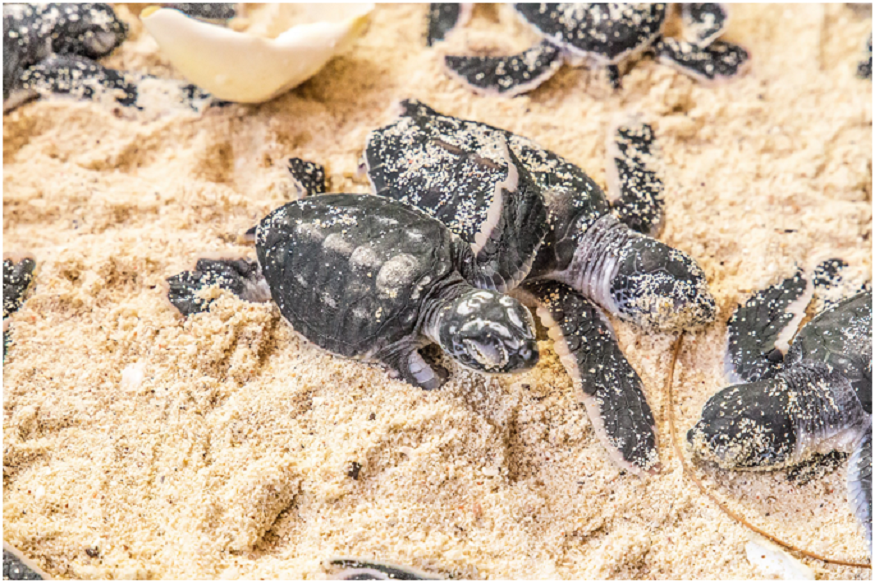
Why the Ningaloo Coast matters for turtles and whale sharks
The stretch of coast around Ningaloo Reef and Exmouth in Western Australia supports globally important populations of marine turtles as well as large seasonal aggregations of whale sharks. It is one of the world’s few accessible places where such wildlife behaviour occurs close to shore.
According to visitor-guides, turtle breeding activity (mating and nesting) peaks between late October and early April. After females lay eggs, hatchlings emerge around 45-70 days later. Meanwhile the whale-shark season at Exmouth is roughly mid-March to August/September.
Because these phenomena overlap, visitors to the area can plan experiences that combine both turtle hatching night walks and majestic marine encounters by day.
Best timing for turtle hatching and marine wildlife viewing
Turtle hatching
- Nesting of turtles on the Ningaloo Coast generally occurs November through March.
- Hatchlings typically emerge 60 days after nesting, so late summer to early autumn (February-April) offer the strongest chance to witness hatching.
- Hatchlings are especially vulnerable to light pollution, beach disturbance and predation, so arriving at the right time means you’ll avoid peak human impact.
Whale shark viewing
- According to the official operator, tours at Exmouth for the world’s largest fish run early March to late August for prime whale-shark sightings.
- A March arrival gives you the possibility of both turtle-hatching opportunities and whale-shark snorkelling in the same region.
How to plan your trip: choosing tours and respecting wildlife
Select experienced operators
- Choose tour providers that emphasise small groups, environmental accreditation and strong safety protocols. For example, one provider offers a dedicated spotter plane to locate whale sharks and prioritises longer in-water time for guests.
- For turtle-watching excursions at night, look for guides who adhere to the “no torch or flash photography” rule, low-light red lighting, and leave no tracks. The dune and beach ecosystems are fragile.
Respect the “Turtle Watching Code of Conduct”
When you go out to see nesting or hatching turtles, the rules are critical:
- No bright lights or flash photography – artificial light can disorient hatchlings and nesting females.
- Keep your distance – staying behind nesting turtles and staying low ensures minimal disturbance.
- Do not intervene – hatchlings must make their own journey from nest to sea; human interference may reduce their survival chances.
- Walk carefully – avoid wheel ruts, driving on beaches or stepping into nests.
Combine marine tours effectively
- A morning or full-day snorkelling tour for whale sharks, manta rays or turtles in clear reef water can be followed by an evening turtle-hatching walk.
- While marine tours often operate in daylight, the turtle experience frequently begins after sunset; plan your accommodation, transfers and rest accordingly.
- Because turtle hatching is unpredictable (timing, weather, moon phase), keep a buffer day so you’re not locked into a schedule.
Unique angle: Eco-tourism and behaviour change for marine wildlife
Rather than just ticking off a bucket-list “swim with a whale shark” or “see baby turtles”, consider how your choices bring positive impact:
- Citizen science participation – Many operators record turtle nesting and hatching data to monitor populations, helping conservation efforts.
- Supporting habitat protection – Your tour choice can help support local ranger programs, protected beach zones and no-light policies.
- Understanding marine linkages – The turtles that hatch on the Ningaloo coast and the whale sharks that pass through are both indicators of healthy ecosystems. By engaging responsibly, you reinforce the value of that ecosystem.
- Leave-only footprints – Simple choices like using reef-safe sunscreen, staying on marked tracks, and choosing tours with minimal ecological footprint make a difference.
Practical tips for your stay
- Bring a red-light headlamp or use a red screen filter if you’re joining a turtle-hatching night walk. Bright white light is harmful.
- If prone to seasickness, travel light and schedule your marine tour after acclimatising to land-based rest; many tours operate early morning.
- Check the moon phase and tide timing: hatchlings typically emerge at night, and low tide plus dark sky gives better chance to observe them.
- For snorkelling with larger marine life, wear a wetsuit or stinger-safe suit (depending on season) and follow guide instructions about distance and swimming behaviour (especially for encounters with animals like whale sharks).
- Respect local culture: the Ningaloo coast is on Aboriginal lands and many guided tours include local custodians or interpret cultural significance, listen and learn.
How this ties in with whale shark tours
While much commentary focuses on marine mammals or coral reef diving, the same region offers an integrated experience: you can explore the marine world by day via a top-tier operator for the X category of adventures such as the one offering the Three Islands Whale Shark Dive “whale shark tours Exmouth” programme.
Meanwhile, you can deepen your experience through land- and beach-based observations of turtle nesting and hatching, for example by referring to the blog titled “The Ultimate Exmouth Travel Guide: Turtle Hatching Edition”.
By combining these two threads whale shark snorkelling and turtle-hatching tours you create a richer eco-tourism itinerary and support broader marine conservation outcomes.
Final insight
Wildlife encounters on the Ningaloo Coast are more than just photographic moments; they are windows into ocean health, species lifecycles and our relationship with nature. With thoughtful planning, responsible behaviour and the right tour partners, you can witness baby turtles racing to the sea or drift alongside the world’s largest fish while leaving a positive footprint on the environment. Choose tours that prioritise safety, minimal disturbance and community benefit, and you’ll come away not just with unforgettable memories, but a deeper understanding of conservation in action.
