
Uganda Is More Than a Traditional African Safari
Most people picture an African safari as a dusty plain, an open-top jeep and a checklist of five famous animals. Uganda throws that picture out, and honestly, it’s better for it. On an African safari Uganda style, you could spend the morning sitting a few metres from a mountain gorilla in misty forest, then the afternoon on a boat watching hippos jostle along a riverbank.
The country squeezes rainforest, open savannah, wetlands, big rivers and volcanic mountains into a space you can cross in a few days. That’s why chimpanzees, tree-climbing lions, elephants, giraffes and some seriously rare birds all fit into one trip. It’s greener than the classic safari circuits, a little rougher around the edges, and far more about forests and primates. This guide walks through the landscapes, the wildlife, the people and the practical stuff you need to plan it properly.
Uganda’s Changing Landscapes: From Tropical Rainforests to Open Savannahs
The Rainforest Landscapes of Southwestern Uganda
Down in the southwest, Bwindi Impenetrable Forest lives up to its name. Vegetation is thick, slopes are steep and mist hangs around until mid-morning. This is mountain gorilla country. Nearby, Mgahinga sits among the Virunga volcanoes, with cooler air, bamboo and sharp volcanic peaks rising behind the trees.
The Open Grasslands and Wetlands of Northern and Western Uganda
Head north and west and everything opens up. Queen Elizabeth National Park mixes savannah with crater lakes and wetlands. Murchison Falls has the Nile cutting through woodland and grassland. Kidepo Valley, way up in the remote corner of the country, offers wide plains with mountains standing behind them.
Meet Uganda’s Extraordinary Wildlife Beyond the Big Five
Mountain Gorillas: An Encounter in the Forest
Gorilla trekking, one of the headline experiences of any Uganda safari, happens in Bwindi Impenetrable National Park and Mgahinga Gorilla National Park. You hike with a guide and trackers to find a habituated gorilla family, and the walk can be short or brutally long. Rules exist for good reasons: keep your distance, keep your voice down, and don’t go if you’re ill.
Chimpanzees and Other Primates
Kibale Forest National Park is the main place for chimpanzee tracking. Along the way you’ll likely meet black-and-white colobus, red-tailed monkeys, vervet monkeys, olive baboons and L’Hoest’s monkeys too.
Lions, Leopards and Other Big Cats
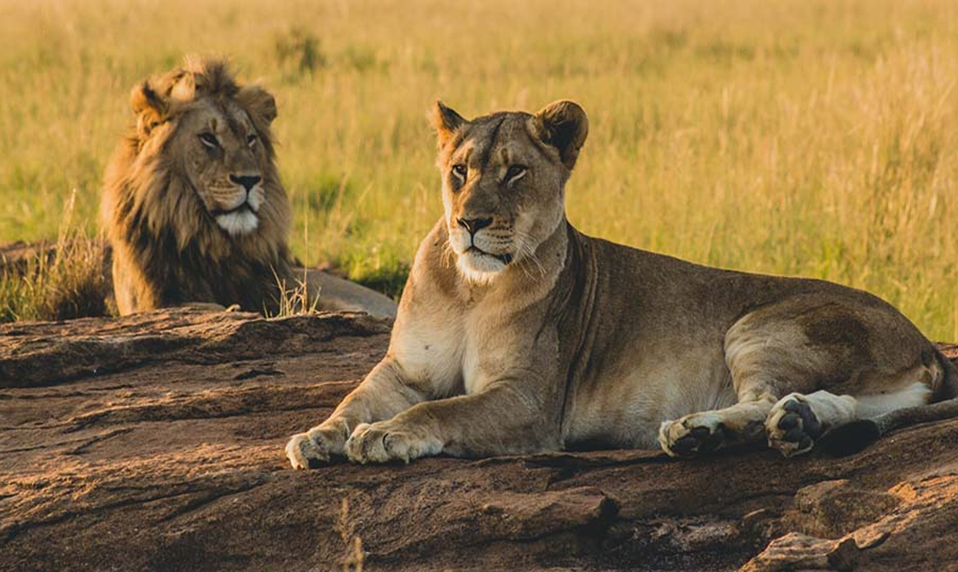
The Ishasha sector of Queen Elizabeth is famous for tree-climbing lions, which lounge in fig trees during the day. Leopards, spotted hyenas and servals live in the region too, though they take patience and luck.
Large Mammals Across Uganda’s National Parks
Elephants, Cape buffaloes, Rothschild’s giraffes and zebras are the headline names. Alongside them you’ll see Uganda kob, waterbucks, topis, warthogs and bushbucks, which are easy to overlook until you notice how many there are.
Hippos, Crocodiles and Aquatic Wildlife
Along the Kazinga Channel and the Nile, hippos and Nile crocodiles are almost guaranteed. Otters and other wetland animals sometimes show up if you keep your eyes on the reeds.
Uganda’s Remarkable Birdlife
Birders get spoilt here. Shoebill storks, African fish eagles, grey crowned cranes, kingfishers, hornbills and turacos are all possible across the forests and savannahs. Murchison’s Nile delta area is a well-known place to look for shoebills. Even if you don’t care about birds, that huge, grumpy-looking stork might change your mind.
The Best National Parks to Explore on an African Safari in Uganda
Bwindi Impenetrable National Park: Mountain Gorillas and Ancient Forests
Bwindi has several gorilla trekking sectors, and its forest is packed with other life besides the gorillas. The Batwa, who lived in these forests for generations, have cultural connections here that are worth learning about.
Mgahinga Gorilla National Park: Volcanoes, Gorillas and Golden Monkeys
Mgahinga is small, but the Virunga scenery makes up for it. Hiking here feels different from Bwindi, cooler and more open, with bamboo thickets and volcanic slopes. Golden monkey tracking is a fun alternative to gorillas, and the mountain views are lovely on a clear day.
Queen Elizabeth National Park: Tree-Climbing Lions and the Kazinga Channel
This is the easiest park for variety. Game drives, boat safaris on the Kazinga Channel, the Ishasha lions and the crater lakes all fit into a couple of days.
Murchison Falls National Park::
The Nile squeezes through a narrow gap here and crashes down as Murchison Falls. Boat cruises put you close to crocodiles and hippos, while savannah game drives bring elephants and giraffes into view.
Kibale Forest National Park: Uganda’s Primate Capital
Chimpanzee tracking is the big draw, but the forest trails and the birdwatching are worth the time as well.
Kidepo Valley National Park: A Remote Wilderness Experience
Kidepo takes effort to reach, whether by a long road journey or a domestic flight, and that’s the point. The Narus Valley, open plains and mountain scenery feel properly wild, and you’ll often share it with very few other visitors.
Beyond Game Drives: Unique Wildlife Experiences in Uganda
Gorilla Trekking Through Tropical Rainforest
Expect muddy trails, steep sections and a lot of sweat. Once you find the group, you get about an hour with them, and it passes fast. Many people say the hike is forgotten the moment a gorilla looks back at them. Follow your guide’s instructions on distance and behaviour.
Chimpanzee Tracking in Kibale Forest
Guided forest treks offer the rare opportunity to observe chimpanzees as they feed, groom one another, and engage in social disputes.Certain visitors choose to extend their immersion by participating in a habituation experience, spending extended periods alongside the troop.
Boat Safaris Along the Kazinga Channel
From the water you get close views of hippos, crocodiles, elephants coming to drink and plenty of waterbirds.
Walking Safaris and Birdwatching
Walking slows everything down, and that’s the whole charm. You notice smaller wildlife, forest ecology and birds that a vehicle would simply drive past.
Uganda’s Cultural Heritage: Meet the Communities Behind the Landscapes
The Batwa People and Their Forest Heritage
Around Bwindi and Mgahinga, Batwa-led experiences share traditional forest knowledge and cultural history. They’re best when the community runs them directly, so ask your operator how the money actually reaches the people involved.
Local Communities, Traditions and Everyday Life
The Bakiga, Banyankole and other regional communities add another layer to your trip. Farming, music, dance, crafts and village visits show how people live beside these parks.
Ugandan Food: Discover the Flavours of the Country
Matoke, groundnut sauce, posho, cassava and local vegetables show up on plenty of menus. Eating them is one of the simplest ways to connect with Uganda’s culture, and a roadside stop for fresh fruit is often more memorable than the hotel buffet.
Conservation and Responsible Wildlife Tourism in Uganda
Protecting Mountain Gorillas and Endangered Species
Gorilla conservation depends on habitat protection and careful monitoring, and tourism plays a real part in funding it. Rangers track the families daily, which is also why viewing time is kept short and group sizes stay small.
How Tourism Supports Local Communities
Park fees, local jobs, community projects and conservation partnerships all stem from visitors. Your trip helps keep the forests standing, because a living gorilla or lion is worth more to a village than a cleared hillside.
Responsible Safari Practices
Keep your distance from wildlife, follow gorilla trekking rules, don’t litter and choose ethical local operators. Small habits add up, like carrying a refillable bottle and keeping to marked trails.
When to Visit Uganda and How to Plan Your Safari
Best Time for Gorilla Trekking and Wildlife Viewing
The dry seasons, generally June to September and December to February, make trails easier. The wet season isn’t a write-off though. Forests look lush, trails get muddy, and birdwatching can be excellent.
How Many Days Do You Need for a Uganda Safari?
A short trip can focus on one or two parks. Seven to ten days works well for combining savannah safaris with primates. If you want gorillas, chimps and several parks, plan longer.
Getting Around Uganda
Most trips start at Entebbe International Airport, then move by road in a private 4×4 with a guide. Domestic flights exist for some routes. Distances between parks can eat whole days, so leave room, and don’t squeeze three parks into a long weekend.
Permits, Accommodation and Essential Preparations
Gorilla and chimpanzee permits need arranging in advance. Lodges, tented camps and budget places are all available. Pack waterproof clothing, sturdy walking shoes, binoculars and insect repellent. If you’d rather have someone coordinate the itinerary, African Safari-Uganda Safari is one company that arranges wildlife trips.
Why Uganda Deserves a Place on Your African Safari List
Uganda gives you mountain gorillas, chimpanzees, tree-climbing lions, savannah wildlife, waterfalls, volcanoes and cultural encounters in a single country. It suits travellers who want more than conventional game drives, because each park feels different from the last.
You leave with stories that don’t resemble anyone else’s safari. That’s the real appeal.
