
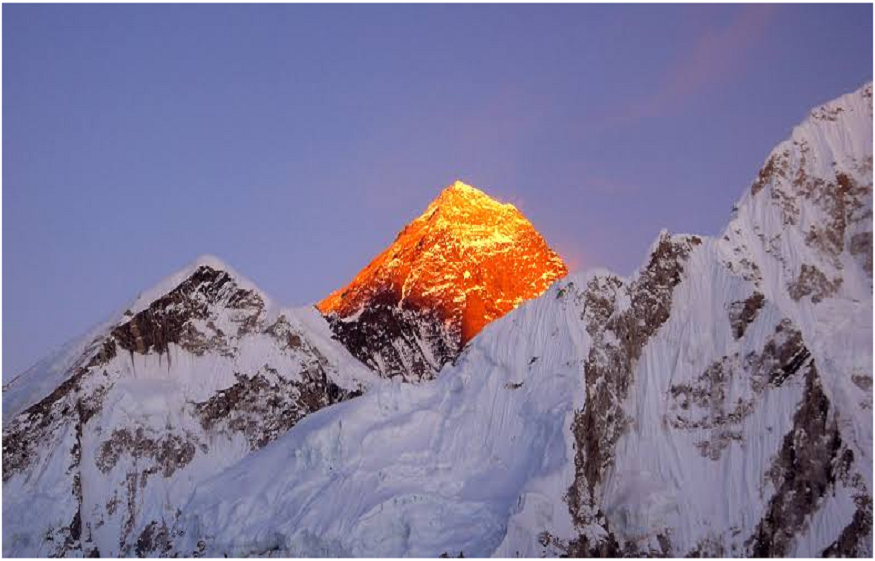
Almost everyone who picks up a backpack and dreams of the Himalayas eventually pictures the same thing: standing somewhere close to Mount Everest, looking up at that impossible summit. But here’s the thing most first-time trekkers don’t realize until they start planning—there isn’t just one way to get there. Nepal’s Khumbu region offers several very different routes, and picking the wrong one for your fitness level or schedule can turn a dream trip into a miserable slog (or worse, a rushed one that leaves you wanting more).
Some travelers want the full bragging rights of reaching Everest Base Camp itself. Others only have a week or two and would rather enjoy incredible mountain views without pushing their bodies to the limit. Then there are the seasoned trekkers who look at Everest Base Camp and think, “That’s just the warm-up,” setting their sights instead on the demanding Three Pass Trek or the quieter, arguably more scenic Gokyo Ri Trek.
Read More : Your First Sailing Vacation: A Complete Beginner’s Guide to Life on the Water
This guide walks through all four options honestly — the Everest Base Camp Trek, the Everest View Trek, the Gokyo Ri Trek, and the Three Pass Trek — comparing scenery, By the end, you should have a much clearer idea of which Everest adventure actually matches your dream journey, rather than just the one that shows up first on Google.
Why the Everest Region Remains Nepal’s Most Famous Trekking Destination
There’s a reason Everest trekking in Nepal keeps topping bucket lists year after year. The Khumbu isn’t just about one mountain — it’s an entire world of Sherpa villages, prayer flags snapping in the wind, ancient monasteries tucked into hillsides, and swinging suspension bridges over glacier-fed rivers that make your stomach drop a little every time.
The whole region sits inside Sagarmatha National Park, a UNESCO World Heritage Site protecting some of the most dramatic alpine scenery on the planet. You’ll pass through pine forests and rhododendron groves, and then, almost without noticing, the trees disappear, and you’re walking through raw, rocky high-altitude terrain with glaciers spilling down valley walls on either side.
trekking pulls in travelers from every corner of the globe. Whichever of the Everest trekking routes you pick, you’re tapping into a culture and landscape that simply doesn’t exist anywhere else.
Everest Base Camp Trek – The Classic Himalayan Journey
What Makes the Everest Base Camp Trek So Special?
The Everest Base Camp Trek takes you right up to the foot of the world’s highest mountain, following a trail that winds through Namche Bazaar, the atmospheric Tengboche Monastery, and a string of Sherpa villages before finally reaching the Khumbu Glacier and Base Camp itself. Most Everest trekking itinerary plans for this route run somewhere around 12 to 14 days, giving your body time to acclimatize properly along the way.
Who Should Choose the Everest Base Camp Trek?
Honestly, this trek suits a huge range of people — first-time Himalayan trekkers who are reasonably fit, adventure travelers chasing that bucket-list moment, and photographers who want front-row access to some of the most photographed peaks on earth. You don’t need mountaineering experience, just decent stamina and patience for long walking days.
Highlights of the Everest Base Camp Trek
The journey usually starts with that famously hair-raising Lukla flight, followed by a gentle walk to Phakding and then the steep climb into Namche Bazaar, the unofficial capital of the Khumbu. From there it’s on to Dingboche for acclimatization, then Lobuche, Gorakshep, and finally Everest Base Camp. Most trekkers also add the climb up Kala Patthar at sunrise — arguably the best Everest viewpoint on the entire route, better even than Base Camp itself in terms of the actual mountain view.
Everest View Trek – A Short Trek with Incredible Himalayan Views
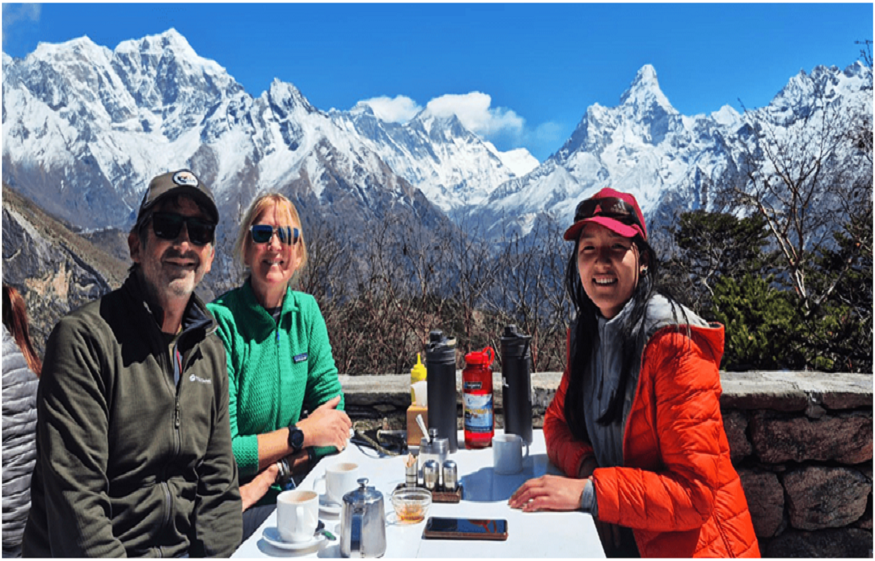
Not everyone has two weeks to spare, and that’s completely fine. If your holiday is tight or you’d rather not deal with extreme altitude, the Everest View Trek is honestly one of the best-kept secrets in the region. It’s short — often just 6 to 8 days including flights — and sits in the easy-to-moderate difficulty range, which makes it a great fit for families, older travelers, or anyone trying Himalayan trekking for the first time.
You still get that jaw-dropping Everest panorama, just without grinding through weeks of high-altitude walking. This is genuinely considered the best Everest trek for beginners who want maximum reward for relatively modest effort.
Main Attractions Along the Everest View Trek
The route follows the same early stages as the Base Camp trail — Lukla, Phakding, and up into Namche Bazaar — before branching toward the famous Hotel Everest View, perched at an elevation with arguably one of the most stunning direct views of Everest anywhere in the Khumbu. Along the way you’ll wander through Sherpa villages and stop by small local monasteries, soaking in the culture without the exhaustion of a full expedition-style trek.
Gokyo Ri Trek – A Peaceful Alternative to Everest Base Camp
If crowds aren’t your thing, the Gokyo Ri Trek deserves serious consideration. It follows a different valley altogether, which means noticeably fewer trekkers on the trail, and honestly, some people argue the scenery here beats Base Camp outright. The turquoise Gokyo Lakes, the enormous Ngozumpa Glacier (the largest in Nepal), and the quiet charm of Gokyo village all combine to make this one of the most photogenic corners of the Khumbu.
Why Many Experienced Trekkers Prefer Gokyo Ri
Sunrise from the summit of Gokyo Ri is something else entirely — a sweeping panorama that includes Everest, Cho Oyu, Makalu, and Lhotse all from one spot, without the queues you’d sometimes find at Kala Patthar. It’s a more relaxed pace overall, and the landscape around the lakes feels almost otherworldly, which is why so many photographers rate this among the best Everest trekking routes for a quieter, more contemplative experience.
Three Pass Trek – The Ultimate Everest Adventure
Now, if you’re the type who reads “moderate difficulty” and gets a little disappointed, the Three Pass Trek is where the real challenge lives. This is the longest and toughest of the four routes, typically running 18 to 21 days, and it’s built for trekkers who already have some high-altitude experience under their belt.
The trek combines pretty much everything the Khumbu has to offer — Everest Base Camp, the Gokyo Lakes and Gokyo Ri, plus three demanding high-altitude crossings: Kongma La Pass, Cho La Pass, and Renjo La Pass. Each pass sits above 5,300 meters, and the terrain between them can involve scrambling over loose rock and occasionally glacier travel, so this isn’t something to attempt without prior trekking mileage.
What Makes the Three Pass Trek Different?
Unlike the standard Base Camp route, this trek loops through remote side valleys that most trekkers never see. You get Everest Base Camp, you get Gokyo Ri, and then you get three separate mountain passes layered on top, each offering a completely different angle on the Himalayas. It’s more expensive, more physically demanding, and honestly more rewarding for anyone chasing a genuine wilderness adventure rather than a checklist destination.
Everest Base Camp Trek vs Everest View Trek vs Gokyo Ri Trek vs Three Pass Trek
| Feature | Everest Base Camp Trek | Everest View Trek | Gokyo Ri Trek | Three Pass Trek |
| Duration | 12–14 days | 6–8 days | 10–12 days | 18–21 days |
| Difficulty | Moderate–Challenging | Easy–Moderate | Moderate | Challenging–Strenuous |
| Highest Elevation | ~5,545m (Kala Patthar) | ~3,880m | ~5,357m (Gokyo Ri) | ~5,535m (Kongma La) |
| Best For | Bucket-list trekkers | Beginners, families | Photographers, quiet-seekers | Experienced adventurers |
| Scenic Value | Excellent | Very good | Outstanding | Exceptional |
| Fitness Required | Good | Basic | Good | Very high |
| Accommodation | Tea houses | Tea houses/lodges | Tea houses | Tea houses (basic in remote sections) |
| Popularity | Very high | Moderate | Moderate | Lower |
| Crowd Levels | Busy | Light | Light | Very light |
Best Time to Trek in the Everest Region
Spring (March–May)
Spring brings blooming rhododendrons across the lower forests and generally stable weather, though trails do get busy as this is peak climbing season on Everest itself.
Autumn (September–November)
Most guides will tell you autumn is the golden window — clear skies, excellent mountain visibility, and comfortable daytime temperatures. If you’re chasing that perfect photo of Everest against a cloudless sky, this is probably your best bet for the best time for Everest trekking.
Winter and Monsoon
Winter offers dramatically quiet trails and crisp mountain air, though nights get brutally cold at higher elevations. Monsoon season brings leeches, muddy paths, and limited visibility, so it’s generally only suitable for trekkers who don’t mind rain and are more interested in solitude than mountain views.
Trek Difficulty, Fitness and Altitude
Everest trek difficulty varies a lot depending on which route you pick, but a few things apply across the board. You’ll be walking five to seven hours a day on uneven terrain, so some cardio preparation in the months beforehand genuinely helps. Acclimatization days aren’t optional extras — they’re built into every sensible itinerary because altitude sickness doesn’t care how fit you are. Walking slowly, drinking plenty of water, and listening to your body when it says “not today” are the three habits that separate trekkers who finish comfortably from those who don’t finish at all.
Accommodation and Food Along the Everest Trails
Tea houses are the backbone of trekking life here — simple, warm, family-run lodges serving dal bhat, noodle soups, and increasingly good attempts at Western comfort food like pizza and pancakes. Most now offer Wi-Fi and charging facilities for a small fee, though don’t expect fast internet above Namche. What you will get everywhere is genuine Sherpa hospitality, the kind that makes even a freezing night at 4,500 meters feel a little more bearable.
Everest Trekking Permits Required in 2026
Every trekker heading into the region needs the Sagarmatha National Park Permit, along with the Khumbu Pasang Lhamu Rural Municipality Permit, which replaced the old TIMS card system for this area. Everest trekking permits and their fees do shift occasionally, so it’s worth double-checking the latest requirements with a licensed agency or the national park office shortly before you travel.
Everest Trekking Cost in 2026
Costs swing quite a bit depending on trek length, whether you hire a guide and porter, flight prices to Lukla, and how much comfort you want in your accommodation and meals. Shorter trips like the Everest View Trek naturally cost less, while the Three Pass Trek’s extra days and remote logistics push the price higher. When comparing Everest trekking packages, factor in permits, domestic flights, and a buffer for personal expenses like snacks, hot showers, and gear rental — these add up more than people expect.
Tips Before Starting Any Everest Trek
A bit of cardio training before you arrive genuinely makes the trek more enjoyable, and packing light saves your knees more than you’d think. Stay hydrated, walk at your own pace rather than racing the group ahead of you, and carry proper layered clothing since temperatures swing wildly between midday sun and evening cold. Travel insurance covering high-altitude trekking and helicopter evacuation isn’t optional in this region — it’s genuinely essential. And a little effort to respect local customs, from asking before photographing people to walking clockwise around mani stones, goes a long way with the communities who call this place home.
Final Thoughts
There isn’t really one “best” Everest trek — just the one that fits where you are in your trekking journey. The Everest Base Camp Trek gives you the classic, iconic experience. The Everest View Trek delivers incredible views without demanding weeks of your time. The Gokyo Ri Trek rewards those chasing quieter trails and lake-side scenery. And the Three Pass Trek is waiting for anyone ready to test themselves against the toughest terrain the Khumbu has to offer. Whichever path you choose, you’re stepping into one of the most extraordinary landscapes on earth — so pick the adventure that matches your fitness, your time, and the version of the Himalayas you’ve been dreaming about.
Frequently Asked Questions (FAQs)
1. How difficult is the Everest Base Camp Trek for first-time trekkers?
It’s manageable for reasonably fit beginners, but altitude is the real challenge rather than the walking itself. Building some cardio fitness beforehand, following a properly paced itinerary with acclimatization days, and staying hydrated make a huge difference in how comfortable the trek feels.
2. Is the Everest View Trek worth it if I don’t have much time?
Absolutely — it’s built for exactly that situation. In under a week you still get to stand near Namche Bazaar and gaze at Everest from Hotel Everest View without the physical toll of a longer expedition.
3. What’s the difference between the Gokyo Ri Trek and the Everest Base Camp Trek?
Gokyo Ri trades the crowded Base Camp trail for a quieter valley featuring turquoise lakes and a different, arguably more complete mountain panorama from its summit. Base Camp gives you the iconic glacier walk and the symbolic finish line; Gokyo gives you the views with a lot more breathing room.
4. Is the Three Pass Trek harder than the Everest Base Camp Trek?
Yes, considerably. It runs longer, crosses three high passes above 5,300 meters, and involves rougher, sometimes technical terrain, so it really is best reserved for trekkers with prior high-altitude experience.
Read More : Manaslu Circuit Trek Adventure: Raw Himalayan Trail, Luxury Comfort & Short Route Experience
5. What is the best season for trekking in the Everest region?
Spring and autumn are the clear favorites. Autumn tends to offer the clearest skies and most reliable mountain visibility, while spring brings milder temperatures and blooming rhododendron forests, though trails can be busier.
